When You Need Emergency Loans: What’s Available and How to Move Fast
An unexpected expense or bill doesn’t wait for a convenient moment. Emergency loans are built for exactly that — situations where the expense is real, the timeline is short, and your regular budget can’t absorb it. This guide covers which loan types actually fit emergency use, how fast you can realistically access funds, and what to watch out for when you’re under pressure.
What Counts as a Financial Emergency

The definition is personal, but lenders don’t really care about the reason. Emergency cash loans can cover anything from a burst pipe to a car repair to a medical copay. Common situations people use them for:
- urgent medical bills or prescription costs not covered by insurance;
- car repairs needed to keep getting to work;
- overdue rent or utility bills facing shutoff or eviction;
- emergency travel for a family crisis;
- replacing essential appliances or equipment.
What makes something an emergency in a lending context isn’t the category — it’s the timing. The expense exists now, it can’t wait, and delaying it creates a worse outcome. That’s the practical test.
Types of Emergency Loans Online

Several loan products fit emergency use, and they differ in speed, cost, and eligibility:
- Short-term payday loans. Small amounts, typically $100 to $1,500, repaid in a lump sum on your next payday. Fast application, fast decision, fast funding. High cost on an annualized basis, but the turnaround is hard to beat.
- Emergency personal loans. Installment products from online lenders with repayment spread across months. Larger amounts available — sometimes up to $5,000 or more — with fixed monthly payments. Applications are still fast; funding often happens within one business day.
- Cash advances. App-based platforms like Dave or Earnin advance a portion of your upcoming paycheck, often with no interest. Limits are lower, usually under $500, but the cost structure is minimal compared to traditional lending.
- Secured emergency loans. Title loans and pawn loans use collateral, so credit history barely matters. Funded in person, quickly, but with asset risk attached.
Each fits a different situation. Someone needing $200 for a prescription has different options than someone facing a $2,000 car repair. Matching the product to the actual need is the first step.
Emergency Loans for Bad Credit: What Lenders Actually Look At
A rough credit score doesn’t close the door here the way it does with a bank. Lenders offering urgent loans for bad credit use alternative qualification criteria: current income, employment stability, banking history, and sometimes records from short-term lending databases like Clarity Services or Teletrack.
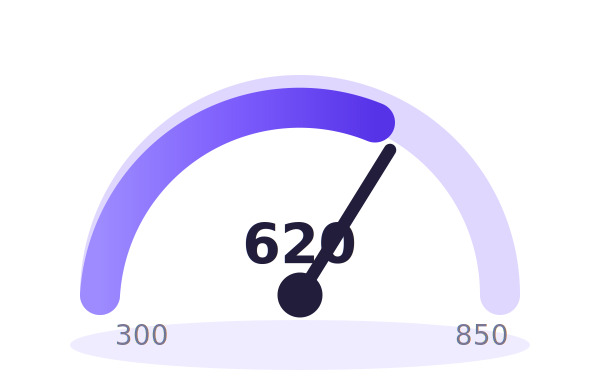
The logic is straightforward. Someone with a 540 credit score and steady monthly income of $2,500 is a more realistic repayment candidate than someone with a 620 score and no verifiable income at the moment. Emergency loans and bad credit lenders know their borrower pool. They’re not approving blind — they’re approving differently.
What disqualifies people: no income at all, a bank account opened less than 30 days ago, or active delinquencies on short-term loans with the same lending networks the lender checks. Those signals matter more than a FICO score in this space.

Getting Emergency Money Today: Timing Breakdown
Speed depends on two variables — the lender’s processing and your bank’s posting schedule. Here’s how the timeline actually works for emergency loans online:
Applications completed before a lender’s daily ACH cut-off, typically noon to 2 PM on a business day, go out as same-day transfers. Whether your bank posts that transfer the same evening or the next morning is a bank-specific variable, not a lender one.
Apply after the cut-off, and funds land the next business morning. Still fast by most standards, but not same-day.
For genuine same-day access any time of day, storefront options are more reliable. Walking into a title loan office or payday lender and walking out with cash removes the ACH timing question entirely. The cost is usually higher than online lenders, and you have to go in person, but nothing is faster.
Emergency Loans No Credit Check: Secured vs. Unsecured
The no credit check category splits into two structural types, and the difference matters:
- Unsecured emergency loans no credit check are based purely on income and identity. No asset is at risk. If you default, the lender pursues collection through standard channels, but they can’t take your car or your savings account. The downside is higher rates, since the lender takes on more risk without collateral backing.
- Secured options, title loans in particular, don’t need your credit history because the vehicle covers the lender’s exposure. Default, and the car can be repossessed. The rates on title loans are still high, often in triple-digit APR territory, but the approval bar is lower and amounts can be larger relative to what unsecured bad credit lenders typically offer.
For borrowers with an asset they can use and a clear repayment plan, secured lending sometimes offers more favorable terms. For borrowers who don’t want to put property on the line, unsecured installment or payday products are the cleaner path.
Emergency Loans for Unemployed Borrowers
The cut-off time is the most common obstacle. Miss it by an hour and your same day deposit becomes next-business-day. A few other Unemployment complicates things, but it doesn’t eliminate options. The key issue is demonstrating repayment ability without a traditional paycheck. Lenders need some evidence that money is coming in regularly.
Income sources that many direct lenders will consider:
- unemployment insurance payments;
- Social Security or disability benefits;
- gig or freelance income documented through bank deposits or payment platforms;
- rental income from property you own;
- pension or retirement distributions.
Documentation matters. Bank statements showing consistent monthly deposits are often enough for lenders that don’t require employer verification. The more clearly you can show regular income, the better your position.
Low income borrowers face a floor with most lenders — somewhere around $800 to $1,000 monthly is the minimum most will work with. Below that, options narrow significantly. Credit unions, community organizations, and nonprofit emergency assistance programs sometimes fill that gap for borrowers who fall under typical lending thresholds.
Emergency Personal Loans: Costs to Understand Before Signing
The urgency of an emergency can make it easy to skip the numbers. Don’t. The cost structure of emergency lending is real and affects whether the loan actually helps or creates a second problem.
Short-term payday-style products charge flat fees per $100 borrowed. A $15 fee on $100 over two weeks equals roughly 391% APR when annualized. That’s a factual calculation, not a scare number — it’s what two-week credit costs at that fee level.
Emergency personal loans in installment form carry APRs typically between 60% and 200% for bad credit borrowers. On a $1,500 loan at 120% APR over 12 months, total repayment comes to roughly $2,550. Knowing that number upfront is what lets you evaluate whether the loan is the right move.
Two things worth calculating before you sign: total repayment amount and the monthly payment relative to your income. If the payment requires cutting into food or utilities, the loan isn’t solving the problem.
Fast Approval Process: What to Prepare
Getting through an application quickly is partly in your hands. Lenders process fastest when the information you submit is complete and accurate on the first pass. Having these ready before you start cuts down the time significantly:
- government-issued photo ID;
- Social Security number;
- employer name and address, or documentation of alternative income;
- bank account and routing numbers;
- monthly income figure and pay frequency.
Some lenders also ask for recent pay stubs or bank statements, particularly for larger loan amounts. Having those accessible, rather than hunting for them mid-application, keeps the process moving.
Fast approval decisions come from automated systems. They run quickly when input data is clean. Errors in banking details, inconsistencies between stated income and verified deposits, or missing fields kick the application to manual review, which slows everything down.
Red Flags in the Emergency Lending Space
Pressure and urgency make people more susceptible to bad decisions. A few patterns worth recognizing when searching for emergency loans online:
- Upfront fees before funding. Legitimate lenders deduct fees from the loan or build them into repayment. Any lender asking you to pay something before funds are released is not operating legitimately.
- Guaranteed approval with no requirements. Even the most flexible lenders in this space verify income and identity. No underwriting at all is a different kind of business.
- No state license listed. Licensed lenders display their license information, usually in the footer or on an About/Legal page. If you can’t find it, check your state’s financial regulator database directly.
- High-pressure timelines. A lender telling you the offer expires in 20 minutes is applying pressure tactics, not processing your loan. Real lenders don’t need to rush you through reading your own loan agreement.

When Urgent Loans for Bad Credit Make Sense
The honest framing: these products work well for specific situations and poorly for others.
They make sense when the expense is genuinely one-time, the amount is manageable relative to your income, and you have a realistic path to repayment on the agreed date. A $400 car repair covered by a $450 payday loan, repaid two weeks later when your paycheck clears, is a clean use case.
They don’t make sense as a patch for an ongoing income shortfall. If the money runs out before the month does every month, a high-rate loan adds a repayment obligation on top of an already strained budget. That’s the scenario that leads to rollovers, extended fees, and a debt cycle that’s harder to exit than the original problem.
FAQ
Here are the most common questions about emergency borrowing, with answers grounded in how these products actually work.
How fast can I get emergency loan funds?
For applications completed before a lender’s ACH cut-off on a business day, same-day deposit is realistic. Most people see funds the same evening or the next morning. In-person lenders, including storefront payday and title loan offices, can hand you cash within an hour.
Can I get an emergency loan with no credit check?
Yes. Many lenders in this category skip major bureau pulls entirely and rely on income verification and alternative credit databases. Your FICO score isn’t the deciding factor with these lenders.
What’s the easiest emergency loan to get approved for?
Secured loans, including pawn and title loans, have the lowest approval barriers since collateral covers the lender’s risk. Among unsecured options, short-term payday products from online direct lenders tend to have the most flexible income and credit requirements.
Do emergency loans affect my credit score?
Most lenders in this space use soft pulls, which don’t show up on your credit report and don’t affect your score. Some run hard inquiries, which can cause a small, temporary dip. Ask the specific lender which type of check they use before submitting an application.
How much can I borrow for an emergency?
Payday-style products typically cap around $1,500, though limits vary by state. Online emergency personal loans from installment lenders often go up to $5,000, and sometimes higher depending on your income and the lender’s policies.
Are there emergency loans for people on government benefits?
Yes, provided the benefit amount is regular and documentable. Social Security, disability, and unemployment payments are accepted as income by many lenders. The monthly amount still needs to meet the lender’s minimum income threshold, which is typically around $800 to $1,000.